

Operation of boiler feed pumps
HOW DO BOILER FEED PUMPS WORK?
What Does a Boiler Feed Pump Do?
A boiler produces steam by heating water. As steam is consumed, new feedwater must be added to maintain a constant water level. This is done by the boiler feed pump.
The main functions of this pump are:
-
Transporting feedwater to the boiler under high pressure
-
Delivering a stable flow rate
-
Overcoming system pressure
-
Ensuring continuity of the steam generation process
-
Operating efficiently and reliably at high temperatures
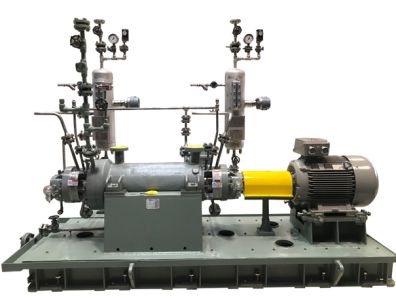
Because the pressure inside a boiler is often very high, the pump must generate an even higher discharge pressure to force water into the boiler drum. For this reason, a multistage centrifugal pump is usually selected.

Advice and sales
The best possible solution for your application
There are many different types of pumps and just as many applications, such as submersible pumps, circulation pumps, and well pumps. Due to this wide variety, it is important to be well informed about the type of pump required before purchasing one or having one overhauled. The IPG team, consisting of various pump experts, can always advise you on the best possible solution for your application and can also support you with the purchase and installation of the pump.
IPG maintains strong relationships with various pump manufacturers and is therefore well positioned to advise you on the purchase of many types and brands of pumps. Industrial Pump Group is the Dutch importer of SAER and an official dealer of brands including Lowara, Grundfos, and Seepex.
Applications of Boiler Feed Pumps
Boiler feed pumps are widely used in industries and applications including:
-
Thermal power plants
-
Petrochemical installations
-
Sugar industry
Wherever steam production is essential, this pump plays a central role.



Why Proper Maintenance Is Important
Boiler feed pumps often operate continuously and under heavy load. Small deviations can quickly lead to major problems.
Important points to monitor include:
-
Bearing noise
-
Seal leakage
-
Vibrations
-
Reduced capacity
-
Temperature increase
-
Cavitation noise
-
Increased energy consumption
Preventive maintenance helps prevent unplanned downtime and costly repairs.
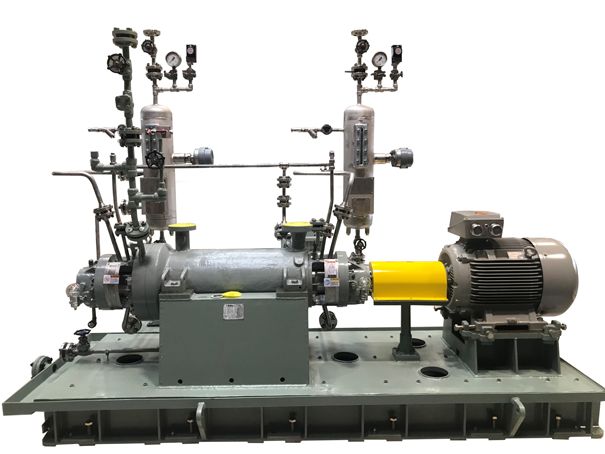
Boiler feed pumps